

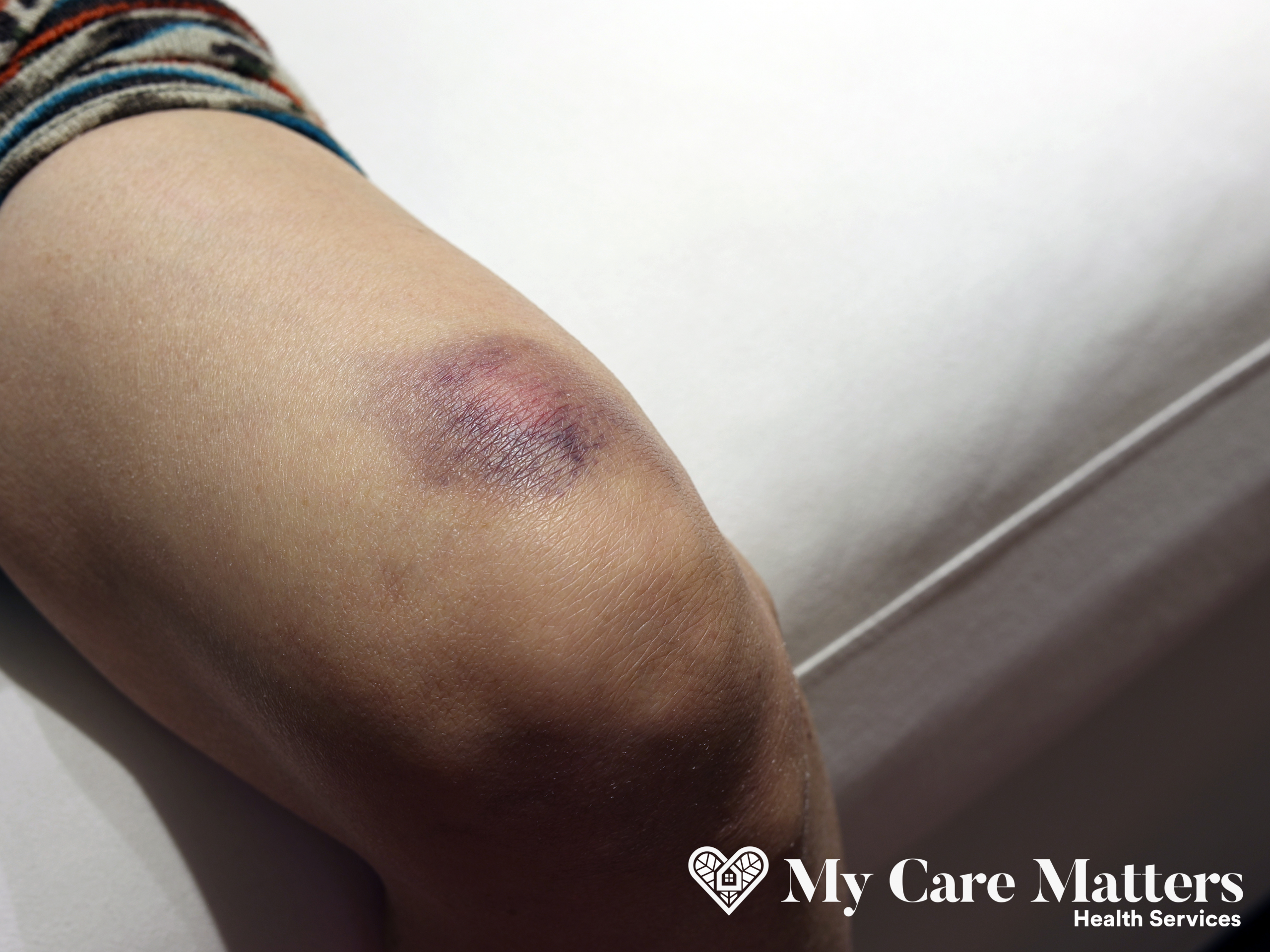
In caregiving, observation is as critical as hands-on support. Caregivers are often the first line of defense in identifying changes in a client’s condition that may signal health deterioration. In Vancouver, BC and across the Lower Mainland, timely observation, documentation, and reporting can prevent complications, hospitalizations, and serious harm. However, critical signs are sometimes overlooked when they are mistaken for “normal aging” or existing conditions.
Critical Observations Every Caregiver Is Responsible to Report in Vancouver, BC
To better understand real-world challenges, My Care Matters interviewed Jennelyn R., a senior Registered Health Care Assistant (HCA) and current Licensed Practical Nurse (LPN) student, who also holds a Registered Nurse (RN) credential from the Philippines. With over 18 years of experience in the caregiving and healthcare industry, Jennelyn shared that one common issue she observes among caregivers is the failure to recognize and report early warning signs.
“I have seen cases where critical changes were already present but were not reported because they were mistaken as normal. A client was already experiencing noticeable edema, but no one documented or escalated it. Changes in gait were assumed to be part of aging, and increased confusion was attributed solely to dementia—when in reality, it was the early sign of an underlying infection.”
— Jennelyn R., Senior Registered HCA & LPN Student
Jennelyn’s experience highlights a critical responsibility shared by all caregivers: the ability to observe beyond routine tasks and recognize subtle but meaningful changes in a client’s condition. Caregiving is not limited to assistance alone—it requires clinical awareness, ethical judgment, and clear communication. To ensure client safety and quality care, caregivers must remain vigilant in four essential areas: accurate physical observation, safety awareness, professional boundaries, and timely reporting and documentation. Together, these responsibilities form the foundation of safe, accountable, and person-centered care.
1. Physical Observations and Health Changes
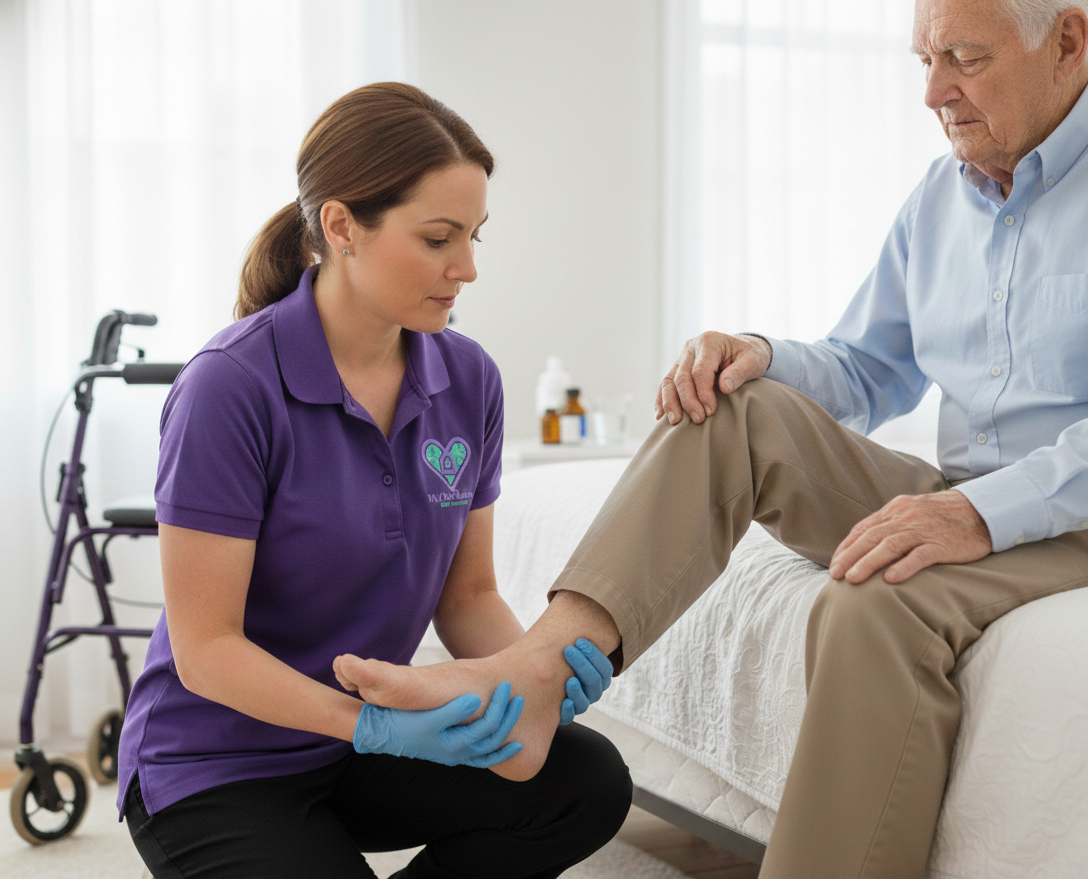
Caregivers must remain vigilant when observing physical changes such as swelling (edema), changes in gait, skin discoloration, shortness of breath, or unexplained pain. These signs may indicate circulatory problems, infection, injury, or worsening chronic conditions. As highlighted by Jennelyn’s experience, overlooking these changes can delay diagnosis and treatment. Any new, worsening, or unusual physical condition must be documented and reported promptly (HealthLink BC, 2023).
2. Safety Risks and Environmental Concerns
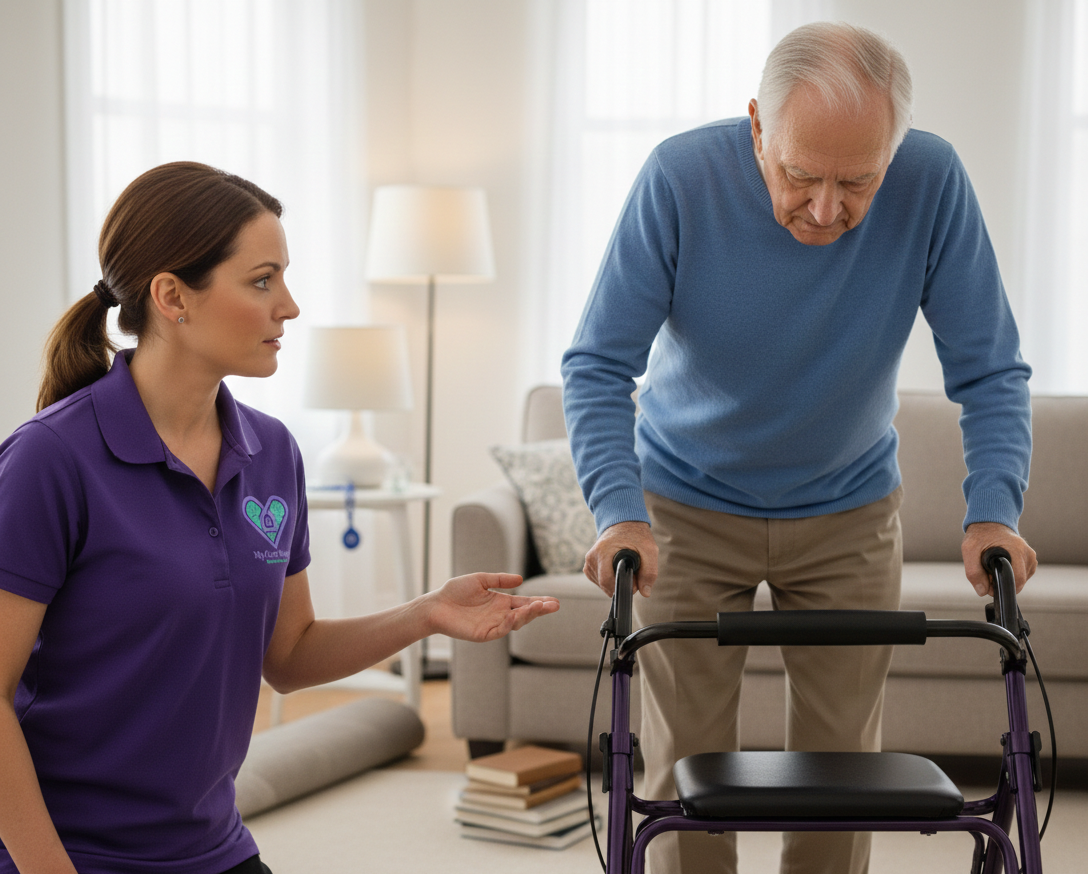
Safety is a continuous responsibility in caregiving. Caregivers should assess fall risks, unsafe walking patterns, improper use of mobility aids, cluttered environments, and poor lighting. Changes in balance or mobility should never be assumed to be “normal.” Reporting safety risks allows care teams to adjust support plans and prevent injuries before they occur (Public Health Agency of Canada [PHAC], 2022).
3. Safety Risks and Environmental Concerns2. Safety Risks and Environmental Concerns
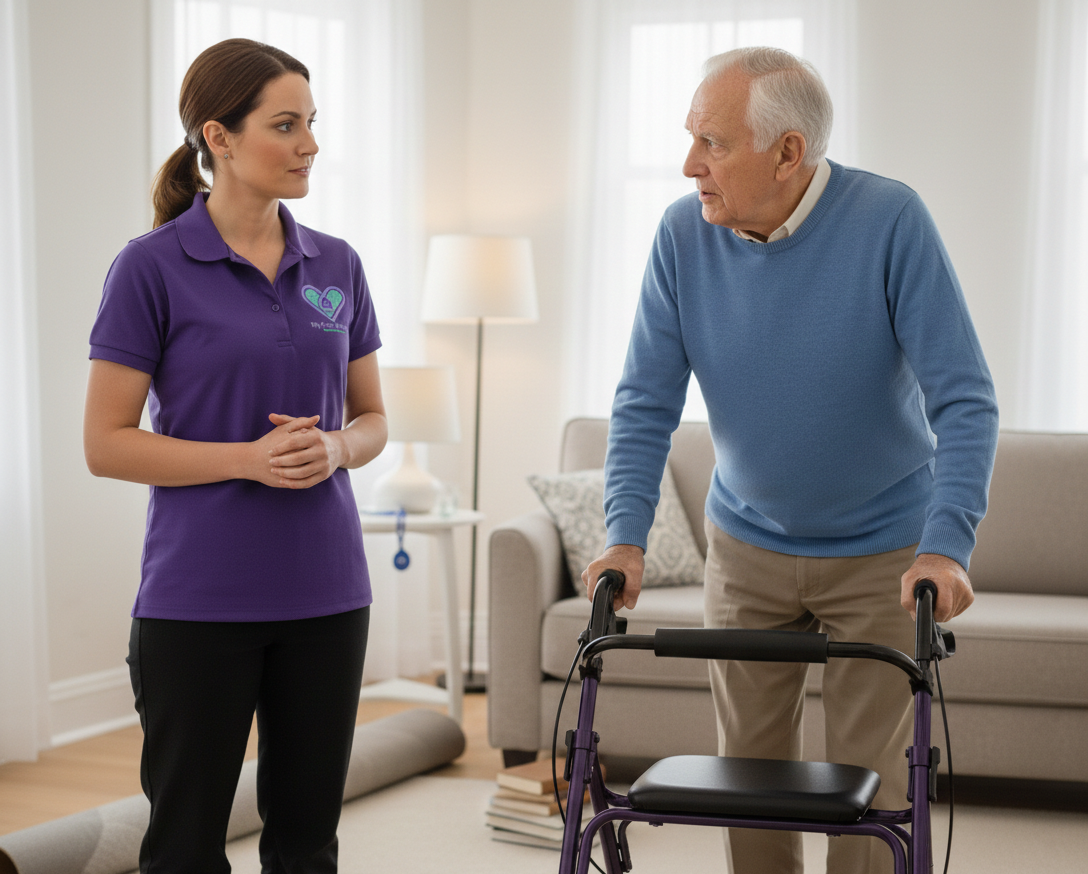
Maintaining professional boundaries is essential for ethical and safe care. Caregivers must not ignore situations that fall outside their scope of practice or feel pressured to perform unsafe tasks. Boundary concerns—such as requests for unauthorized medical decisions or unsafe assistance—must be reported to protect both the client and the caregiver.
4. Accurate Documentation and Timely Reporting
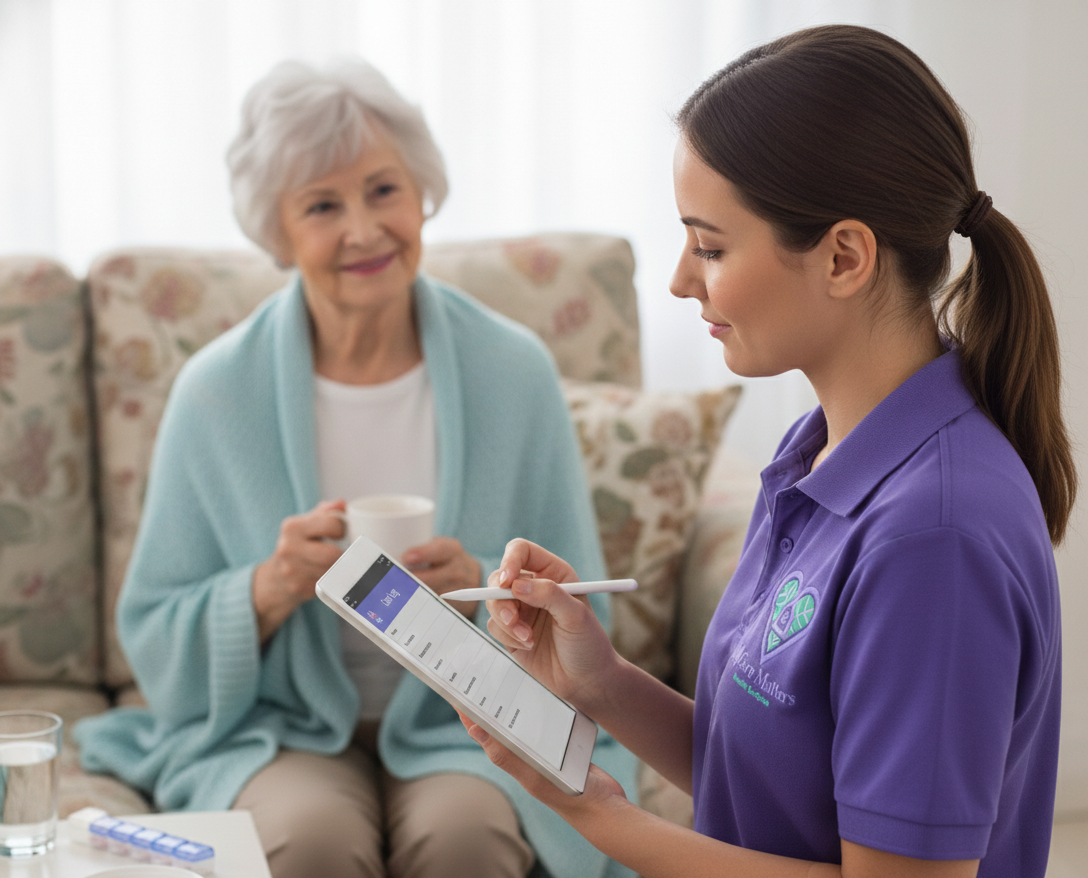
Observation without documentation is ineffective. Caregivers are responsible for recording observations clearly, objectively, and in a timely manner. Reporting concerns such as physical decline, cognitive changes, refusals of care, or unusual behavior ensures continuity of care and enables healthcare professionals to respond appropriately. As Jennelyn emphasized, early reporting can be the difference between early intervention and serious medical complications.
How My Care Matters Supports Observant and Safe Care
At My Care Matters, we emphasize the importance of observation, documentation, and communication across Vancouver and the Lower Mainland. Our caregivers receive ongoing training to recognize subtle physical, cognitive, and safety-related changes and to escalate concerns appropriately. By fostering a culture of accountability and vigilance, we ensure our clients receive proactive, responsive, and compassionate care.
Book a FREE, no-commitment assessment to learn how our caregiving approach prioritizes safety and early intervention.
Conclusion
Caregiving requires more than completing tasks—it requires awareness, critical thinking, and responsibility. As shared by experienced professionals like Jennelyn Roces, overlooking signs such as edema, gait changes, or confusion can have serious consequences. By prioritizing observation, respecting boundaries, ensuring safety, and reporting concerns promptly, caregivers play a vital role in protecting the health, dignity, and well-being of those they serve.
References
HealthLink BC. (2023). Recognizing changes in health and knowing when to seek medical help. Government of British Columbia. https://www.healthlinkbc.ca
Public Health Agency of Canada. (2022). Aging and fall prevention. https://www.canada.ca/en/public-health/services/health-promotion/aging-seniors.html