

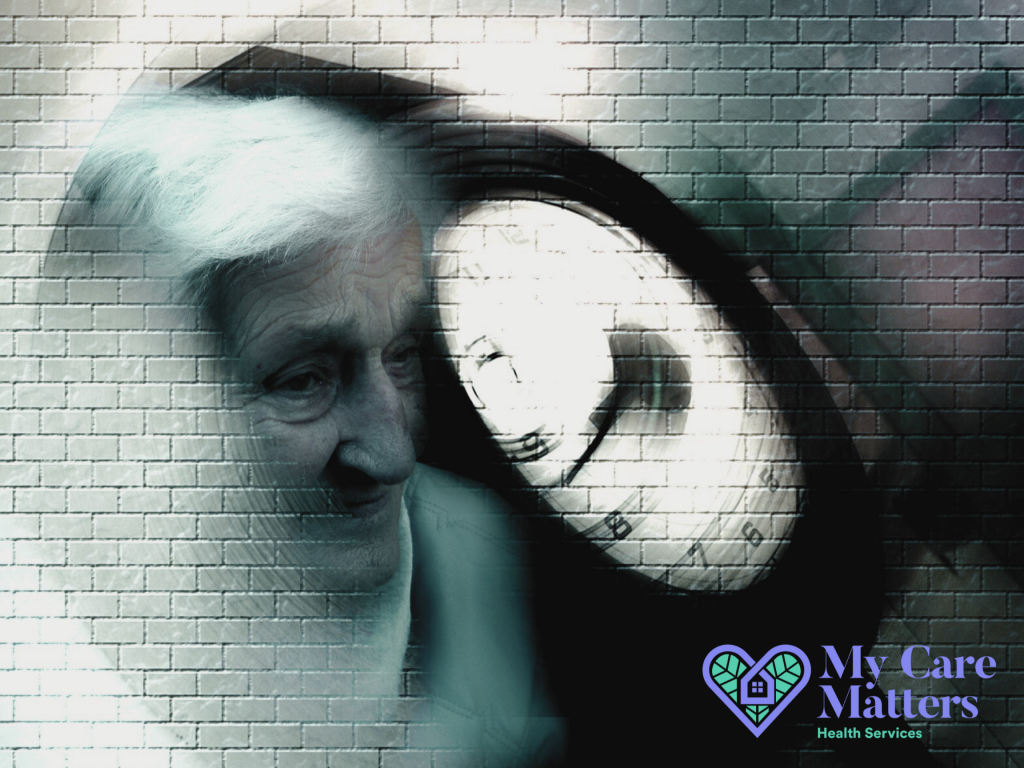
Sundown Syndrome can be a challenging experience for individuals with dementia and their families, often causing confusion, agitation, and restlessness during the evening hours. Maintaining a consistent daily routine is one of the most effective strategies to help reduce anxiety and provide a sense of security. Predictable schedules for meals, activities, and rest help create a calmer, more manageable evening environment (Alzheimer Society, 2022).
Sundown Syndrome refers to the increase in confusion, agitation, and restlessness that some individuals with dementia experience during late afternoon and evening hours (Alzheimer’s Association, 2024). When dealing with sundown syndrome in seniors, many families find this time of day particularly distressing, but evidence-based strategies can reduce discomfort, anxiety, and behavioral disturbances.
1. Maintain a routine

Consistent wake-up times, meals, activities, and bedtime help stabilize the internal clock and reduce anxiety or confusion as daylight fades. Regular routines often ease transitions and provide a sense of safety and familiarity (Alzheimer Society of British Columbia, 2023).
2. Create a calm environment

Lower lighting, turn off or soften loud noises, and avoid overstimulating activities close to dusk. Soft background music, dim lamps instead of harsh overhead lights, and a quiet, uncluttered room help reduce shadows and confusion that may trigger agitation (Mayo Clinic, 2023).
3. Encourage daytime activity

Gentle exercise, outdoor walks, or simple tasks during the day can help regulate sleep-wake cycles and reduce evening restlessness. Exposure to natural light or bright indoor light supports circadian rhythm (Caregiver Support Network, 2025).
4. Monitor diet and medications

Limit caffeine, sugary drinks, or stimulants later in the afternoon; offer lighter meals in the evening. Ensure medications are taken as prescribed and consult healthcare providers regarding potential side effects that may influence evening agitation (HealthLink BC, 2023).
5. Provide reassurance and comfort
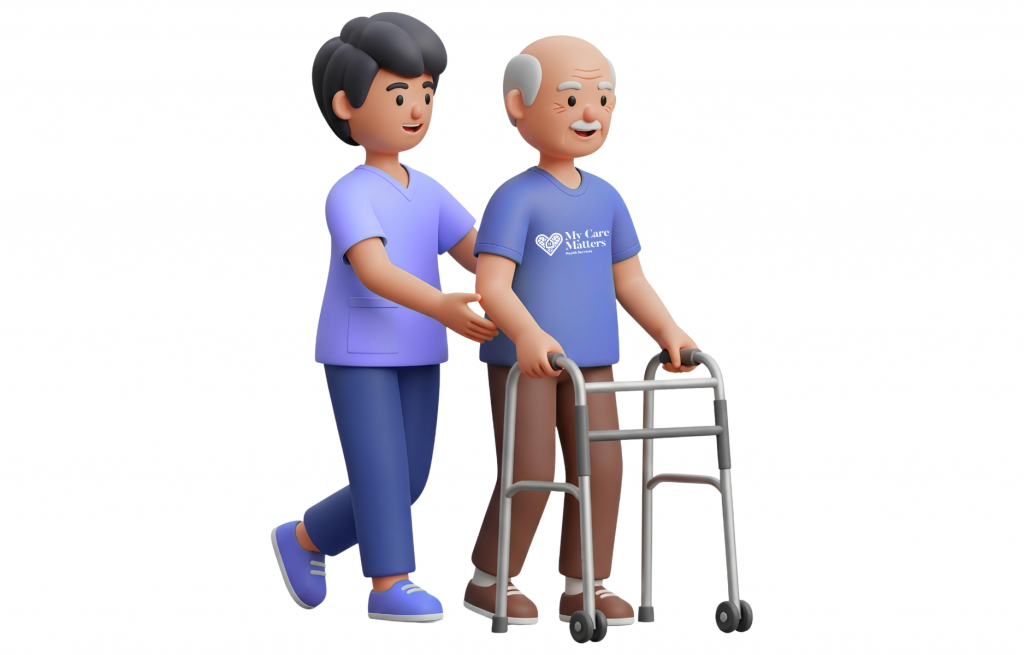
Use a gentle voice, soothing presence, familiar items, and reassuring gestures to ease anxiety. Respond calmly to confusion or distress and redirect attention toward comforting, familiar activities or objects (VHA Home HealthCare, 2022).
How My Care Matters Can Support Sundown Syndrome
At My Care Matters, our compassionate caregivers provide tailored support for seniors experiencing Sundown Syndrome across Vancouver and the Lower Mainland, BC. From helping establish consistent routines and encouraging daytime activity to creating calm environments and providing emotional reassurance, we assist families in reducing evening agitation and promoting comfort. By combining professional guidance with personalized care, My Care Matters ensures seniors and their families can navigate these challenging moments with confidence and dignity (Alzheimer’s Association, 2024; HealthLink BC, 2023).
By combining professional guidance with personalized care, My Care Matters helps clients maintain independence while promoting overall wellness. Click here to book a FREE no-commitment appointment.
Conclusion
Managing Sundown Syndrome is essential for the safety, comfort, and emotional well-being of seniors with dementia. Implementing structured routines, creating a calm environment, promoting daytime activity, monitoring diet and medications, and providing reassurance can significantly reduce evening agitation. With the support of dedicated caregivers at My Care Matters, these strategies become practical, manageable, and effective, ensuring seniors enjoy safer, calmer evenings while families gain peace of mind (Alzheimer Society of British Columbia, 2023; VHA Home HealthCare, 2022).
References
Alzheimer’s Association. (2024). Sundowning fact sheet. https://alz.org/media/Documents/alzheimers-dementia-sundowning-ts.pdf
Alzheimer Society of British Columbia. (2023). Sundowning and late-day confusion in dementia. https://alzheimer.ca/bc/en/help-support/im-caring-person-living-dementia/understanding-symptoms/restlessness-or-confusion
Caregiver Support Network. (2025). Preventing sundowning with structured daytime activities. https://caregiversupportnetwork.org/behavioral-support/dementia-behavior-management/prevent-sundowning-activities/
HealthLink BC. (2023). Coping with sundowning: Tips for dementia care. https://www.healthlinkbc.ca/healthwise/alzheimers-and-other-dementias-coping-sundowning
Mayo Clinic. (2023). Sundowning in Alzheimer’s disease: Symptoms and management. https://www.mayoclinic.org/diseases-conditions/alzheimers-disease/expert-answers/sundowning/faq-20058511
VHA Home HealthCare. (2022). Tips for coping with Sundown Syndrome. https://www.vha.ca/blog/tips-for-coping-with-sundown-syndrome/